U.S. government
Little House on the PrairieThe U.S. government is the unseen authority whose policies set the Ingalls family's entire journey in motion and, just as decisively, bring it to an end. It never appears as a character, yet its presence is felt from the first chapter, when Pa explains the family's departure from Wisconsin, to the final pages, when the same government's orders drive them from the little house on the prairie. The government functions as both the enabling condition of the family's westward dream and the force that ultimately revokes it, making it the story's most powerful and most contradictory actor.
The Government as the Engine of Westward Settlement
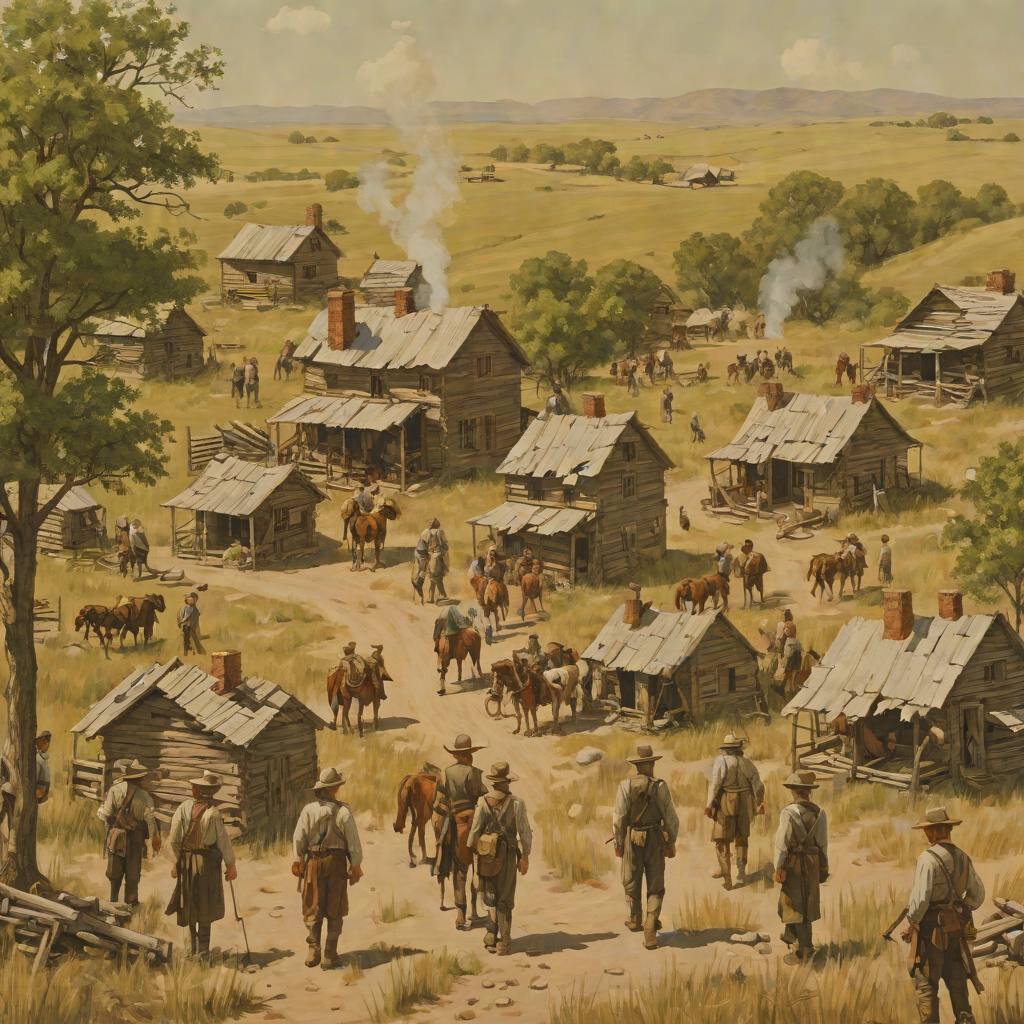
The family's move to Indian Territory is framed from the outset as a response to the government's policy of Indian removal. When Laura asks why the Indians must move west, Pa explains plainly: "The government makes them. Laura." He adds that this is precisely why the family is there: "Lots of white people are going to come and live here. We came first to choose the best land." The government's removal of the Osage Indians is thus presented not as a controversial act but as the very mechanism that opens the land to white settlement. Pa's confidence rests on his belief that "the government has always let settlers keep the land," a conviction that makes the family's claim to the prairie feel legitimate and permanent. The government, in this telling, is a guarantor of white settlement, a force that clears the land and then protects those who come to work it.
The Promise of Land and the Dream of Living Like Kings
The government's implicit endorsement of settlement underwrites the family's most hopeful moments. When Pa returns from Independence with a plough and seeds, he tells Ma, "when these seeds grow in this rich land of ours, we'll be living like kings!" The phrase "our land" carries the full weight of the government's promise: the prairie has been given to them, and their labor will transform it into a kingdom. Pa's earlier vow, made while building the house, that "we'll be happy here for the rest of our lives" rests on the same assumption of permanence. The government's guarantee is the foundation upon which the family builds its home, plants its crops, and imagines a future. Even the house itself, with its walls and roof and Pa's gun over the door, is an act of faith in that guarantee.
The Government's Reversal and the Order to Leave
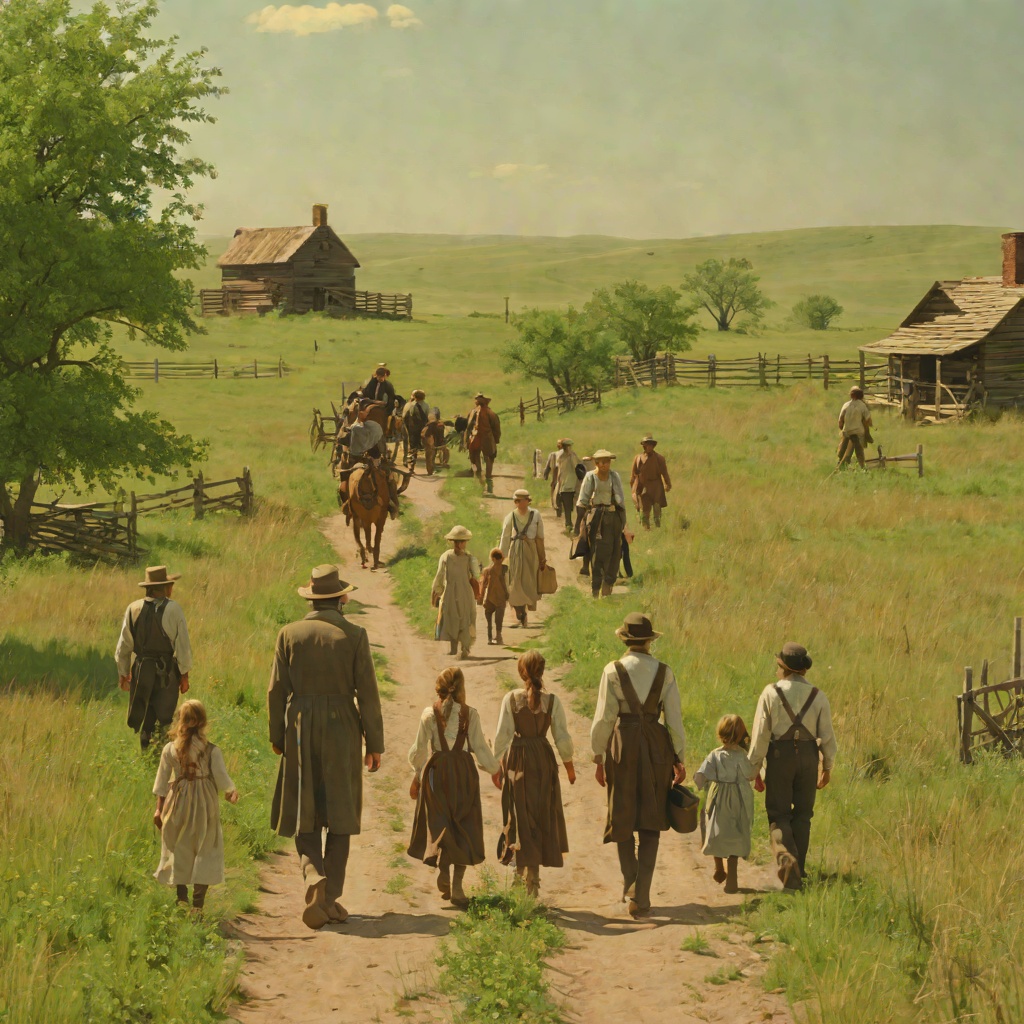
The government's promise proves hollow. Pa returns from Independence with troubling news: "People in Independence say the government is going to move the white settlers out of Indian Territory." Ma's response, "Not when we have done so much," captures the family's sense of betrayal. They have invested their labor, their hope, and their lives in this land, and now the authority that invited them is preparing to expel them. Pa initially refuses to believe the report, insisting that the government has always let settlers keep their land. But the rumor hardens into fact when Mr Edwards and Mr Scott arrive with the news that "the government is sending soldiers to make the settlers leave Indian Territory." Pa's reaction is explosive: "I won't stay here until the soldiers take me away like a criminal. The government in Washington told us it was all right to build our houses here. But if now they want us to go, we'll go." The government in Washington, which had authorized the settlement, now threatens to treat the settlers as criminals for remaining. The reversal is total, and Pa chooses to leave rather than be forcibly removed.
The Government's Double Displacement
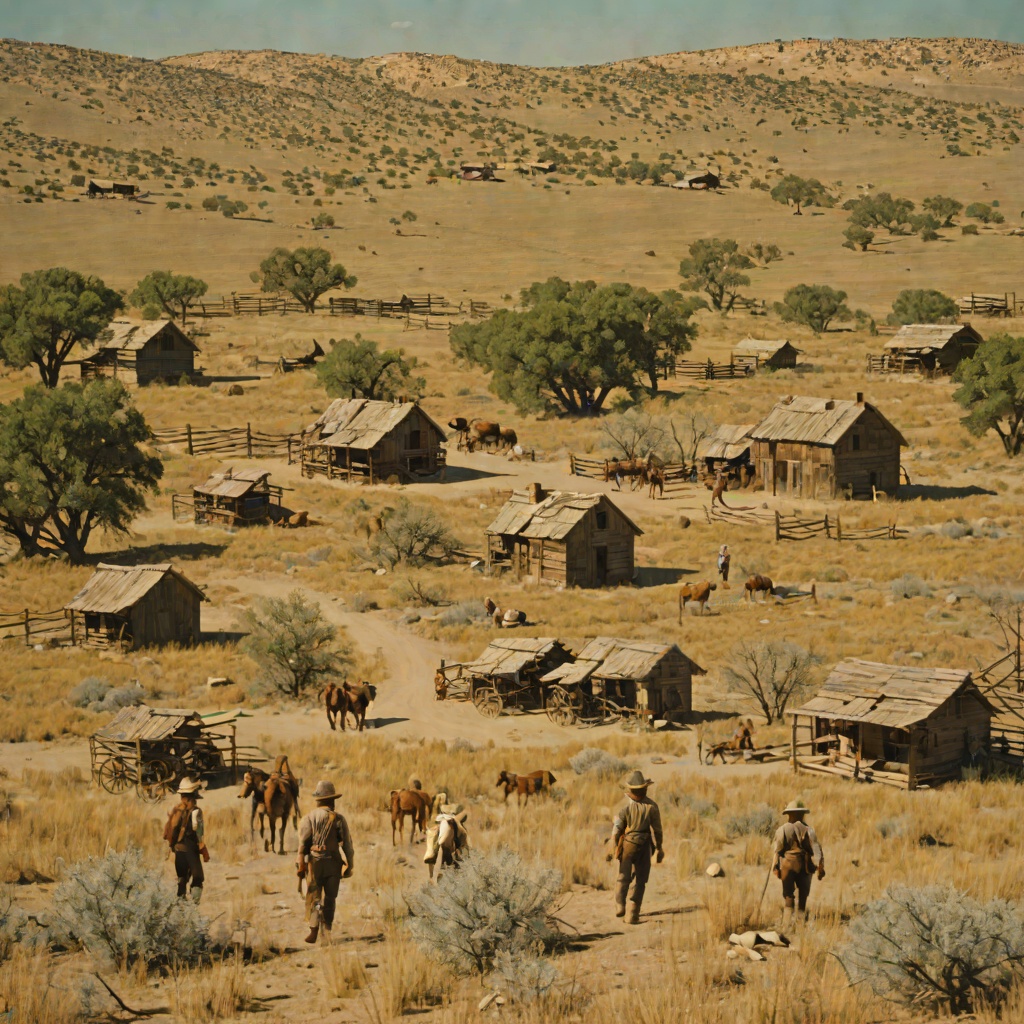
The government's policy produces a double displacement. First, it removes the Osage Indians from their land, a fact Pa explains to Laura with unsettling simplicity: "When white settlers arrive in a place, the Indians have to move away from there." The Indians, including the Osage chief Great Soldier who had protected the settlers, are forced westward. Then, in a cruel symmetry, the government turns on the settlers themselves, ordering them out of Indian Territory. The Ingalls family, having come to the prairie because the government made the land available, must now abandon everything they built. The plough, the symbol of their future, is the one thing they cannot take with them. The family leaves the little house behind, and Pa's parting words acknowledge the ongoing instability: "It's a great country, Caroline. But there will be wild Indians and wolves here for many years." The government's policies have created a landscape of perpetual motion, where no one, Indian or settler, can claim permanence.
The Government's Narrative Significance
The U.S. government is the story's hidden protagonist, the force that shapes the family's fate without ever appearing on the page. Its removal policy is the reason the Ingalls family comes to Indian Territory, and its reversal is the reason they leave. The government's contradictory role — inviting settlers in, then expelling them — exposes the precariousness of the American Dream as the book presents it. Pa's optimism, his belief that hard work and the government's blessing will secure a permanent home, is ultimately undone by the very authority he trusted. The family's departure, with Ma's quiet lament "A year gone, Charles" and Pa's brave reply "What's a year? We have all the time in the world," is a testament to their resilience, but it is also a quiet acknowledgment that the government's promises are not to be relied upon. The book ends with the family on the road again, and the final line — "You never know what will happen next, nor where you will be tomorrow, when you are travelling in a covered wagon" — is a meditation on the instability that government policy has imposed on both the settlers and the Indians it displaces.